Nagar Parishad Gopalganj
स्वच्छ गोपालगंज, समृद्ध गोपालगंज


A beautiful town in Bihar known for its natural attractions, rich heritage, and warm hospitality
Gopalganj is a district and town in Bihar, India, situated in the northwestern part of the state near the Uttar Pradesh border. Established as an independent district in 1973, it is known as a significant agricultural hub, particularly for sugarcane production, and is recognized for its cultural heritage and local cuisine.
Bordered by Gandak River, Champaran & Siwan
One of India's largest sugarcane producers
Bhojpuri, Hindi, and Urdu
Golgappe, Samosas, Kachori & more
Discover the rich historical heritage and cultural traditions of Gopalganj
Ancient Period: During the Vedic age, the region was under the Kingdom of Videha. It was ruled by the Chero tribe during the Aryan period and by King Bhuri Sarwa during the Mahabharata era.
Medieval Period: Ruled by the Sultan of Bengal (Gayasuddin Abbas) and Babar between the 13th and 16th centuries.
Colonial and Modern Era: Originally a hamlet in the old Saran district, it was made a subdivision in 1875. It became an independent district on October 2, 1973. It was a hotspot for the freedom struggle, with local leaders like Babu Ganga Vishnu Rai, Babu Sunder Lal, and martyr Pandit Bhopal Pandey (1935) playing key roles.
Language & Cuisine: Bhojpuri is the primary local language, alongside Hindi, Urdu, and English. Staple foods include rice, wheat, and the iconic Litti-Chokha.
Festivals: Major celebrations include Chhath Puja, Durga Puja (especially at Thawe), Holi, Diwali, and Janmashtami.
Religion & Landmarks:
Arts: Traditional folk music and dances are deeply integrated into the cultural fabric, particularly around festivals.
Discover your city – heritage sites and places of worship
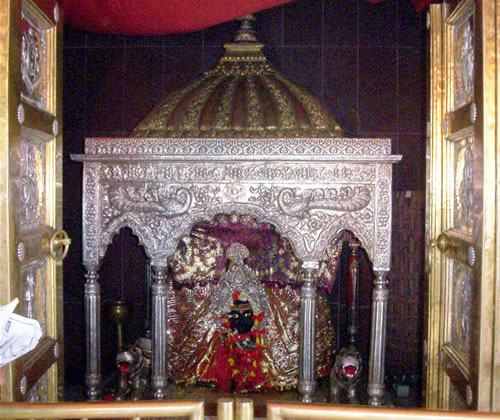
A major attraction dedicated to Goddess Durga and a renowned religious site in the district.
Famous for its ancient mounds (pyramidal in shape) believed to be works of the Chero-Chai people.
A historic site in the town associated with the local royal family.
A popular temple dedicated to Lord Shiva.
A revered temple located in Hathua.
A scenic spot on the Narayani Riverfront.
Natural attractions and green spaces in and around Gopalganj
A spot for nature enthusiasts and birdwatchers.
A sacred pond believed to be the spot where Gautam Rishi meditated.
A nature area located in Hasua.
A central, well-known ground in the city.
Key religious sites, scenic spots, and places to visit in Gopalganj
The most famous religious site, located about 6 km from the city, featuring an ancient temple and a unique, unidentified sacred tree. A major fair is held here during the Chaitra month (March–April).
Situated in Kuchaikote (15 km from Gopalganj), this is a prominent Shakti Peeth dedicated to Goddess Bagalamukhi.
A peaceful, scenic spot on the banks of the Narayani River, popular for its riverfront view.
A historical, though partly ruined, palace of the Raja of Hathwa.
A significant site known for its religious, spiritual, and cultural importance.
Other attractions include Gandhi Maidan, Gopalganj Selfie Point, and local forest areas like Thawe Jungle.
For more travel information, visit Bihar Tourism.
Essential information for visitors planning to explore Gopalganj
Subtropical climate with hot summers (up to 45°C) and cool winters (10-25°C). Monsoon brings heavy rainfall from July to September.
Traditional Bihari cuisine with litti-chokha, sattu paratha, and local sweets. Fresh vegetables and dairy products from surrounding farms.
Several budget and mid-range hotels available near the railway station. Guest houses and lodges for comfortable stay options.
Local markets offer traditional handicrafts, textiles, and agricultural products. Railway station area has various shops and vendors.
Local dispensaries and health centers available. Nearest major hospital is in Jamui district headquarters.
Good mobile network coverage. Internet connectivity available in most areas. Railway station has WiFi facilities.